Kevin Clark, September 9th, Dakar Foundation
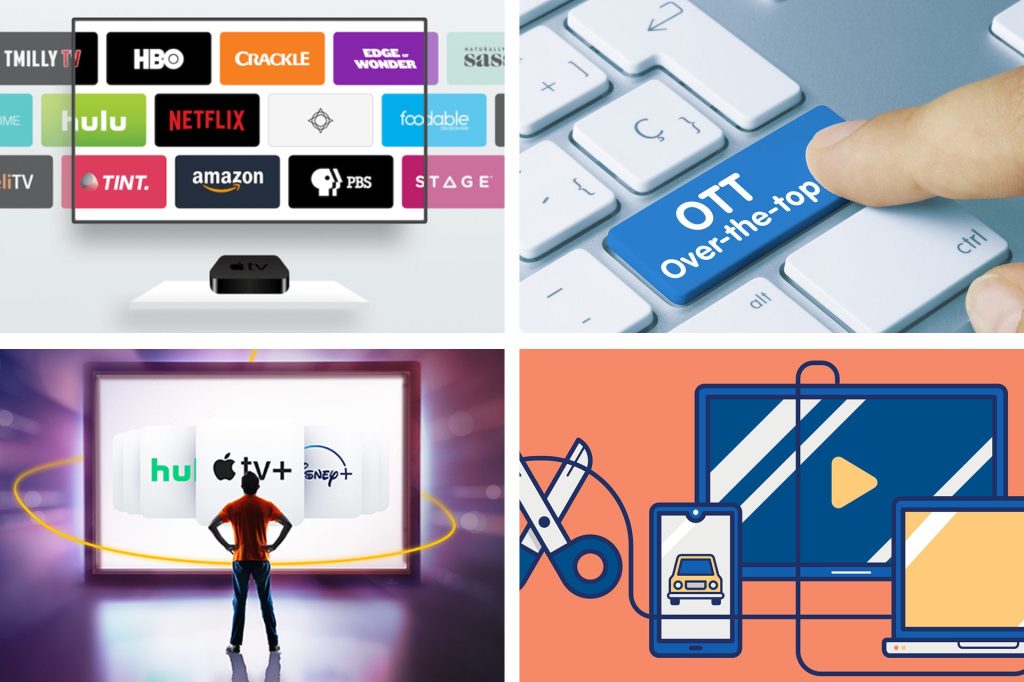
Dakar Foundation plans to launch an OTT app to connect all State of California campuses K-16 by spring of 2025. Dakar will showcase a pilot series of live event production experiences starting with our Election Coverage 2024, and followed by a Veterans Day 2024 program saluting Veteran in Media & Entertainment and the Department of Labor Veterans Employment Training, and the rebuild of http://www.freedomtoserve75th.org/ . Click here to see our archived online programming, entitled “When Worlds Collide”, produced by students and for students.
As the digital age continues to reshape the television industry, we find ourselves amidst a profound evolution in how we consume media. With streaming services and alternative platforms challenging the dominance of traditional TV, viewers now have an unprecedented variety of options to indulge in their favorite content. Leading this revolution is YouTube, the third most visited website globally, where users collectively consume an astounding one billion hours of content daily
Google owns the platform and it is built to be used by anyone, from large travel channels and media companies to people who share their own personal videos. This is a platform that is readily searchable and that offers content of all kinds to anyone who wants to use it for this need. It is not hard to imagine that YouTube might be replacing TV as the best means of enjoying media of many kinds.
Two years ago, YouTube abandoned its audacious plan to beat Hollywood at its own game.The video platform had tried to build the next Netflix, but didn’t gain traction. So it canceled the shows and fell back on the user-created content that had made it a household name.It looked like a major concession — a failure, even. It turned out to be just a speed bump.
Now, YouTube consistently ranks as the most popular streaming service on U.S. televisions, surpassing the companies it once tried to emulate. The platform’s unlikely ascent to the top of the leader-board shows that more than a decade into the streaming era, the internet has continued to change the nature of TV and the habits of viewers. YouTube’s viewership on TVs jumped during the pandemic, when people were stuck at home and willing to consume more content.
The trend has continued, in a sign of growing interest in a more laid-back TV experience. The platform’s popularity underscores the sharp differences between YouTube’s hands-off approach to content creation and the billion-dollar bets of old guard media companies like Disney, Paramount and NBC Universal as they compete for audiences. Since Netflix started offering original content in 2012, TV networks have jumped into the streaming race, trying to outflank one another with major upfront investments. Netflix alone spends $17 billion a year on new series and movies as well as on older fare from other companies’ libraries.
 Site Title
Leave a comment