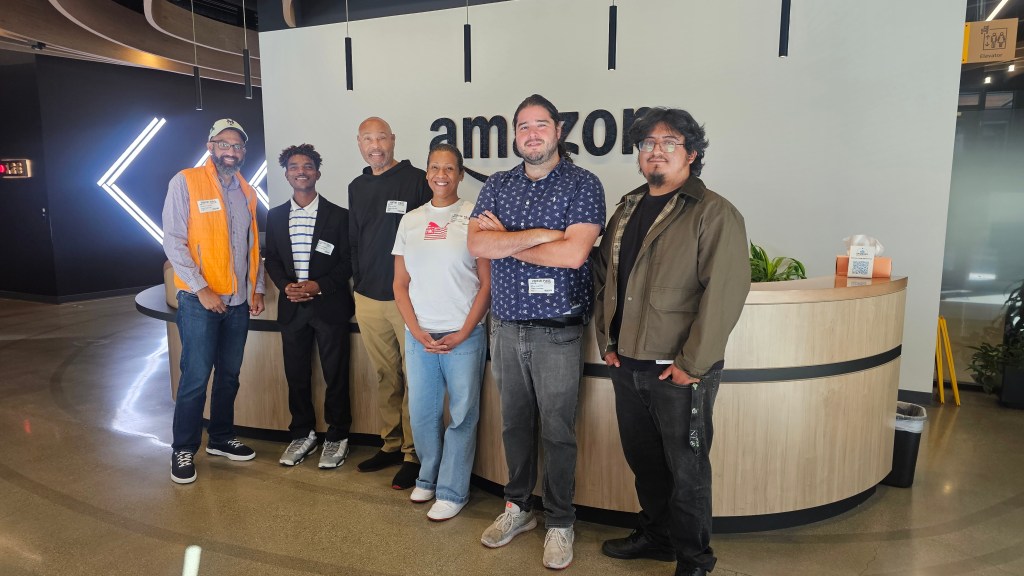
Today marked the final day of shooting for Hollywood in Pixels as part of our two-week contract to capture key board members ahead of the upcoming Silver Pixels Awards on October 16th. Shout-out to Kevin A., Cynthia, Santos, and CJ for delivering on time, platform, and budget.
Commissioned by Hollywood in Pixels board member and longtime friend of the organization, Jay Tucker, Dakar traveled to some of the most influential spaces in entertainment — including Creative Artists Agency (CAA), Amazon MGM Studios, and the homes of the “kings and queens” of film and TV marketing.
This project has been a journey into the heart of the industry, preserving stories and perspectives from the people who shape how audiences experience film and television today.
When we talk about the evolution of entertainment marketing, it’s almost impossible not to trace its trajectory alongside the growth of digital. What once was an experimental corner of Hollywood’s publicity machine has become the core of how films, series, and franchises find their audiences. For Jessica Thurber, whose career has spanned this transformative shift, Hollywood in Pixels (HIP) has served as both a time capsule and a community—a place where the people behind the campaigns finally get their due.
First Encounter with Hollywood In Pixels
When asked about her first encounter with Hollywood in Pixels, Thurber recalls skepticism mixed with curiosity.
“It felt like a wild idea—archiving and celebrating the history of digital marketing. Back then, digital was still considered ‘new media,’ almost an afterthought to the big billboards or TV spots. I honestly wondered: could you really build a whole movement around preserving this?”
That “crazy idea” worked. Ten years later, HIP has become the definitive archive of digital marketing’s role in Hollywood history.
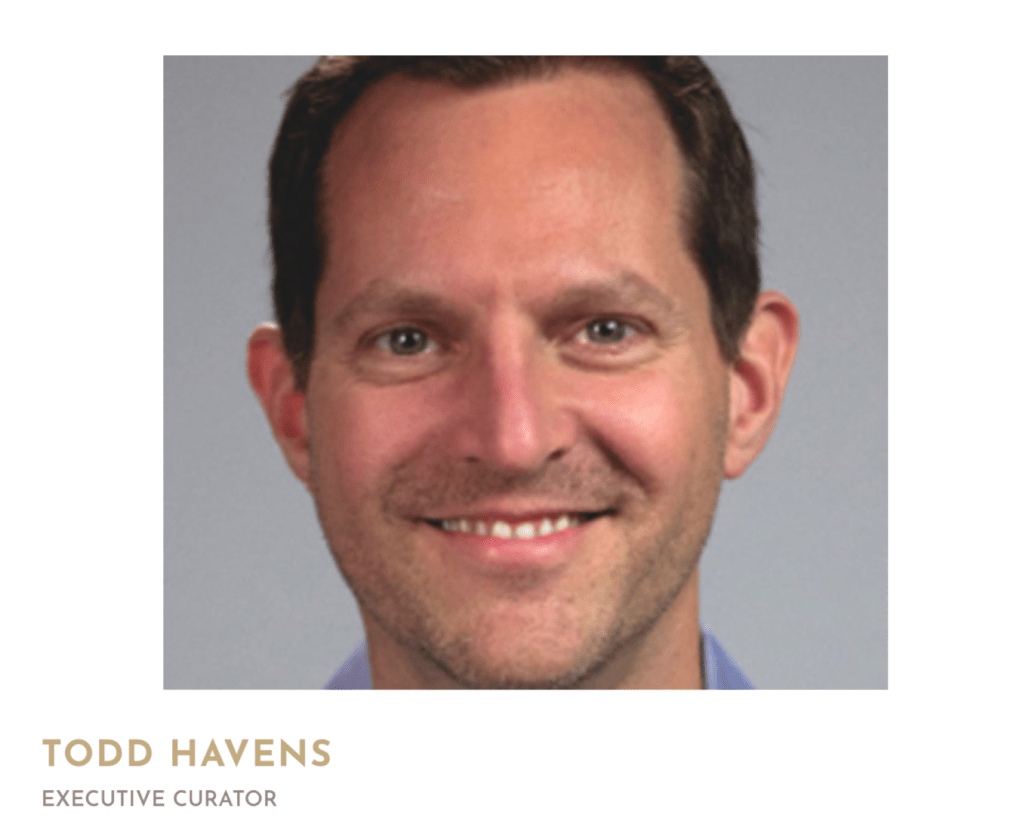
The second interview featured a dynamic exchange between Jay Tucker and Todd Havens, reflecting on the 10-year history of Hollywood In Pixels and looking ahead to the upcoming Silver Pixel Awards. Todd shared deeper context about HIP’s vision for the future, outlining how the organization plans to grow its year-round presence and expand its footprint in the community of digital marketers behind Hollywood’s biggest titles.
A Defining HIP Moment
For Thurber, the Silver Pixel Awards were the turning point.
“I remember sitting in that room, looking around at all the campaign leads, designers, social strategists—people who normally operate behind the curtain. For the first time, they weren’t invisible. They were being celebrated. That moment crystallized why HIP mattered.”
Digital Archaeology and Career Artifacts
HIP has been called a “digital archaeology project,” and Thurber embraces the term.
“For me, the campaign artifacts—the screenshots, the interactive banners, even the now-obsolete microsites—are as important as movie posters from the ’70s. One of the pieces I’m proud HIP has preserved is our early Amazon Studios digital work. It was rough around the edges, but it captured the excitement of experimenting in uncharted territory.”
Community Beyond Campaigns
HIP’s true power, she says, is community.
“I’ve collaborated with people I might never have met outside HIP. One connection at a Silver Pixel Awards mixer led to a cross-studio campaign partnership that became a career highlight for me. HIP is more than an archive; it’s a bridge.”
Pride in the 10-Year Journey
Looking back on HIP’s first decade, Thurber highlights its persistence.
“It’s not easy to keep a nonprofit alive in Hollywood, especially one that’s not glitzy in the traditional sense. What makes me proud is that HIP has stayed true to its mission: valuing the people and preserving the work.”
Looking Ahead: HIP’s Next Ten Years
When asked what she hopes people will say ten years from now, Thurber doesn’t hesitate:
“That HIP didn’t just archive campaigns—it changed the way our industry thinks about itself. That it gave dignity and visibility to the craft of digital marketing.”
Advice for the Next Generation
Her message to newcomers in entertainment marketing is clear:
“Know your history. If you don’t understand how campaigns evolved—from Friendster to TikTok, from banner ads to AI personalization—you’ll miss the bigger picture. History gives context, and context helps you innovate.”
Preserving Today for Tomorrow
If Thurber could commission HIP to preserve one specific aspect of today’s digital landscape, she’d choose the rise of fan-driven content.
“The way fandom has merged with marketing—memes, TikTok edits, reaction culture—it’s a new language. Future generations need to understand that marketing stopped being a one-way conversation and became a dialogue. That shift is seismic.”
Closing Thought
From “new media” to simply marketing, Jessica Thurber’s journey mirrors the evolution of an entire industry. Through HIP, those stories—once fleeting pixels on a screen—are finding permanence. In celebrating its 10th anniversary, Hollywood in Pixels reminds us that history isn’t just in the movies; it’s in the campaigns that bring those movies to life.
 Site Title
Leave a comment